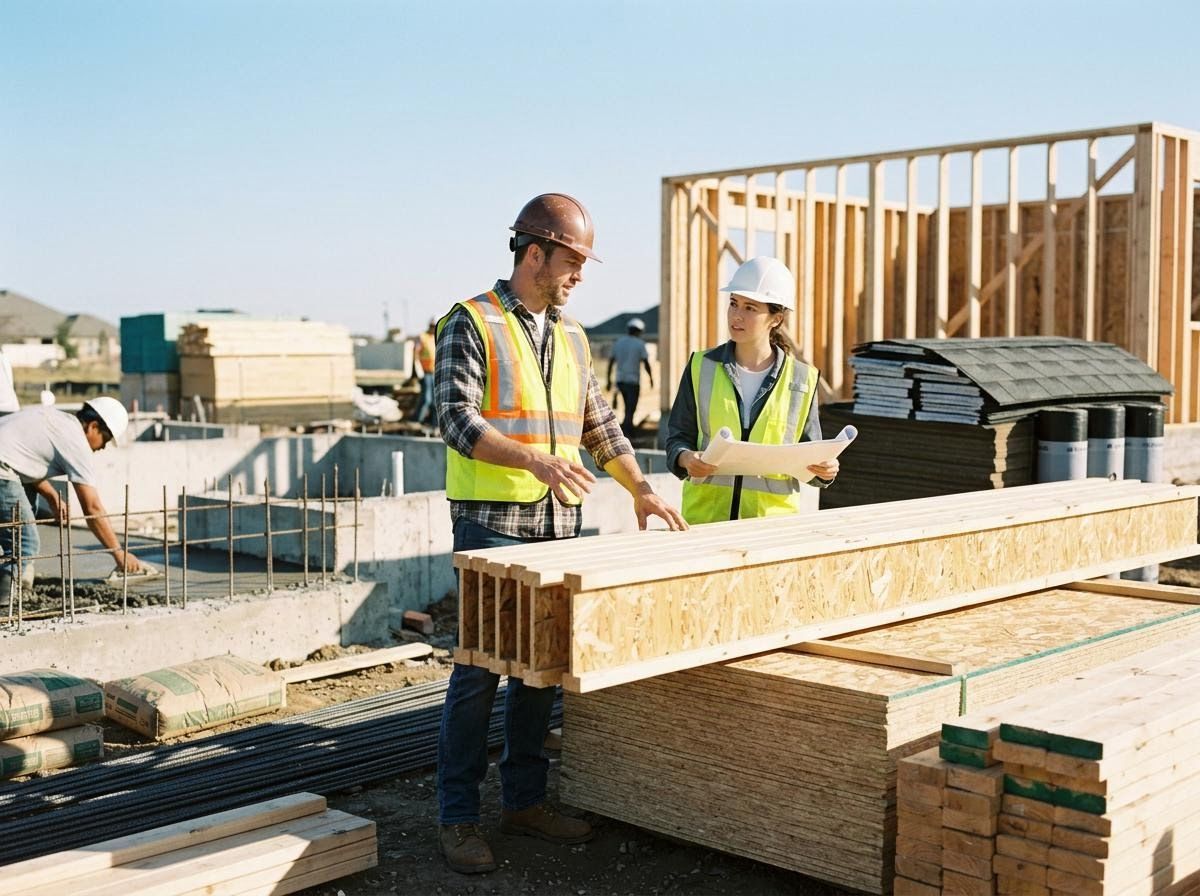
Embarking on any construction project, big or small, requires a foundational understanding of the materials that will bring your vision to life. The choices you make in this area significantly impact the durability, aesthetics, and cost-effectiveness of the final structure. At Valle Construction Company LLC, we understand that selecting the right materials is a critical step towards a successful and enduring build. This guide will help shed light on some essential building materials and their key roles.
Foundations of Strength: Concrete and Steel
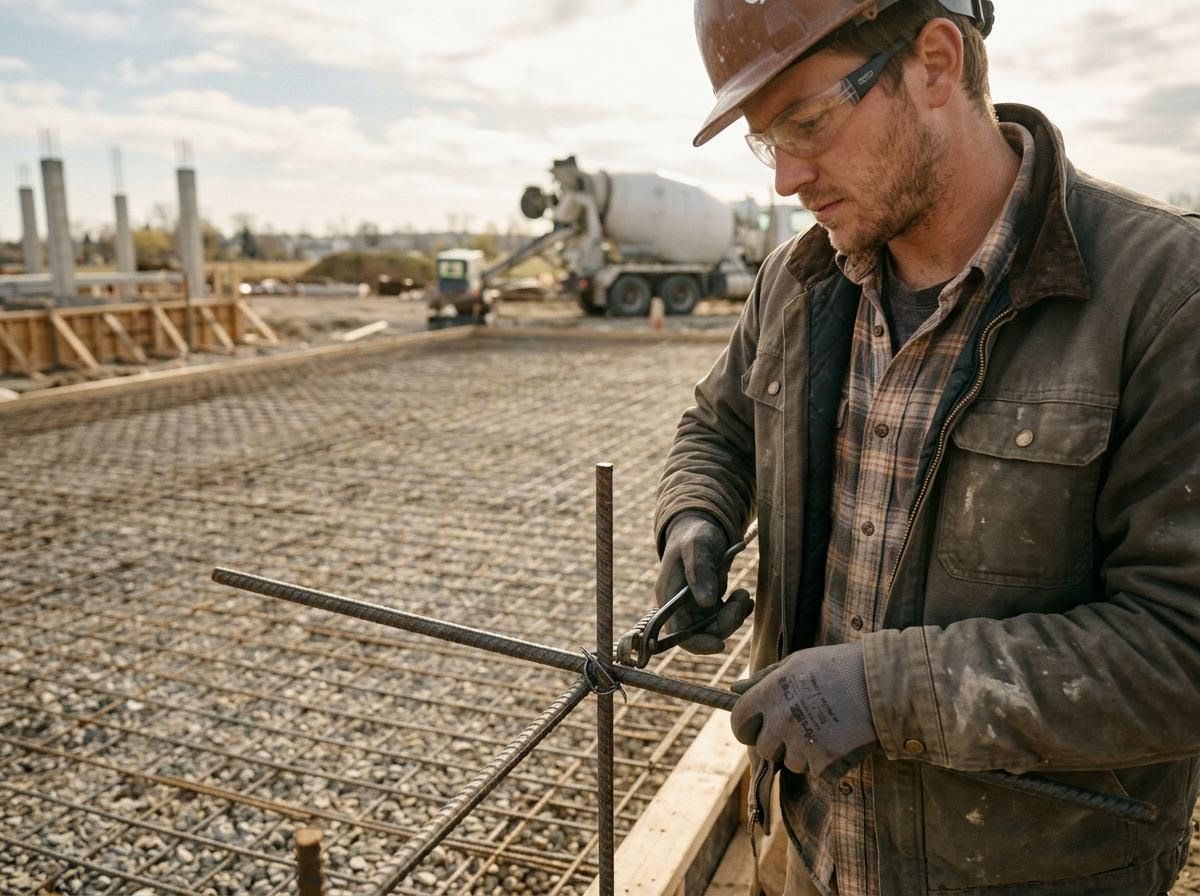
When it comes to creating a robust and long-lasting structure, concrete and steel are often the unsung heroes. Concrete, a composite material made from cement, aggregate, and water, is celebrated for its compressive strength, making it ideal for foundations, slabs, and structural elements. Its versatility allows it to be molded into various shapes and sizes, adapting to diverse architectural designs. Steel, particularly reinforced steel, complements concrete by providing tensile strength, which concrete lacks. Steel rebar embedded within concrete forms reinforced concrete, creating an exceptionally strong and resilient system capable of withstanding significant loads and stresses, crucial for tall buildings and large spans.
Framing Your Future: Wood and Engineered Lumber
Wood has been a cornerstone of construction for centuries, valued for its renewability, workability, and natural aesthetics. Traditional lumber is widely used for framing walls, floors, and roofs, offering a balance of strength and flexibility. However, advancements in manufacturing have introduced engineered lumber products, such as glulam beams, laminated veneer lumber (LVL), and oriented strand board (OSB). These products are manufactured by bonding wood fibers or veneers with adhesives, resulting in materials with superior strength, consistency, and resistance to warping compared to conventional lumber. They often allow for longer spans and more efficient use of wood resources, contributing to more sustainable building practices.
Enveloping Your Space: Roofing and Siding Materials
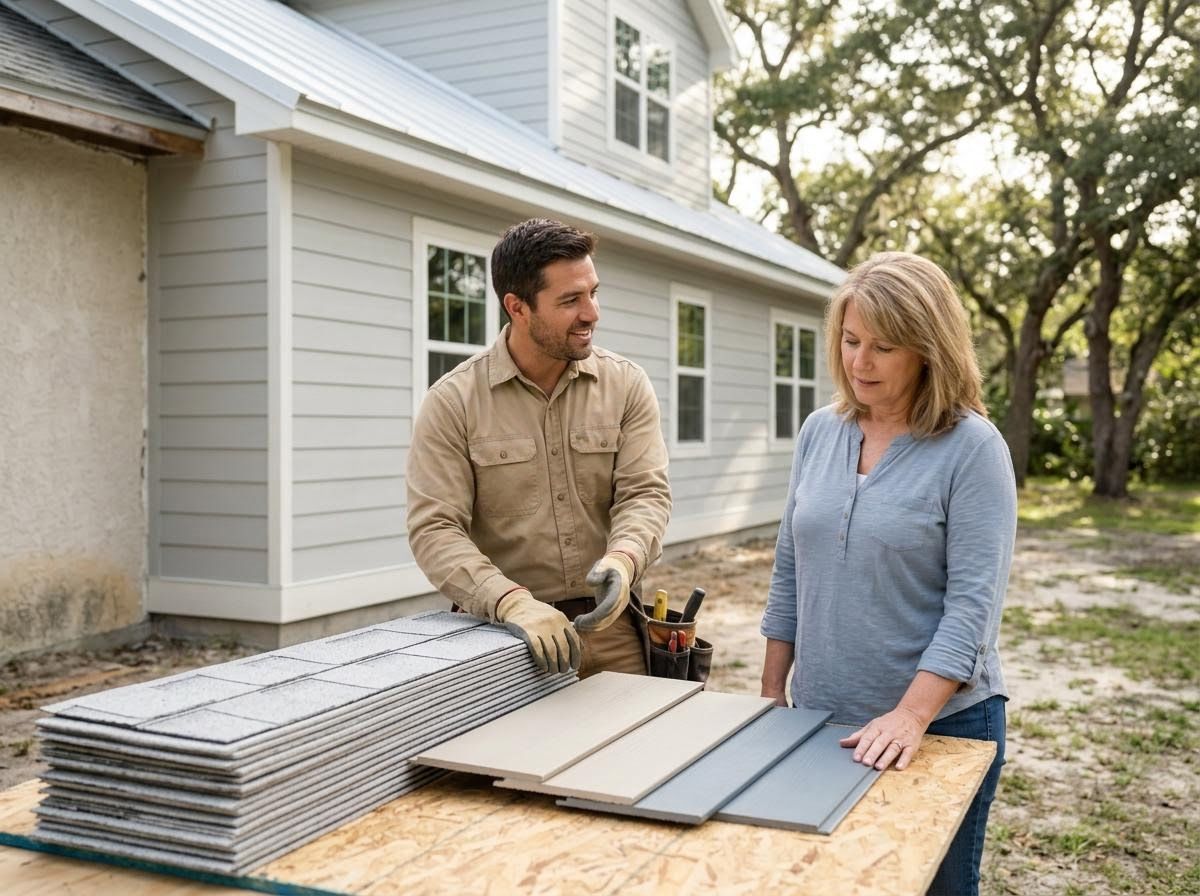
The exterior shell of a building serves as its primary defense against the elements, and the choice of roofing and siding materials is paramount for protection, energy efficiency, and curb appeal. Roofing options range from durable asphalt shingles, known for their cost-effectiveness and wide variety, to long-lasting metal roofs, which offer superior resistance to weather and fire. Siding materials like vinyl, fiber cement, brick, and stucco each present unique benefits. Vinyl siding is popular for its low maintenance and affordability, while fiber cement offers enhanced durability and a premium aesthetic. Brick and stucco provide excellent insulation and a classic, robust appearance, significantly influencing the building's overall character and thermal performance.
Making Informed Material Choices for Your Project
Selecting the right building materials is a complex decision that balances structural integrity, aesthetic preferences, budget constraints, and long-term performance. Understanding the characteristics and applications of essential materials like concrete, steel, various wood products, and exterior finishes empowers you to make informed choices. For guidance on navigating the vast world of construction materials and ensuring your project meets the highest standards of quality and durability, explore resources that delve deeper into material specifications and sustainable building practices.