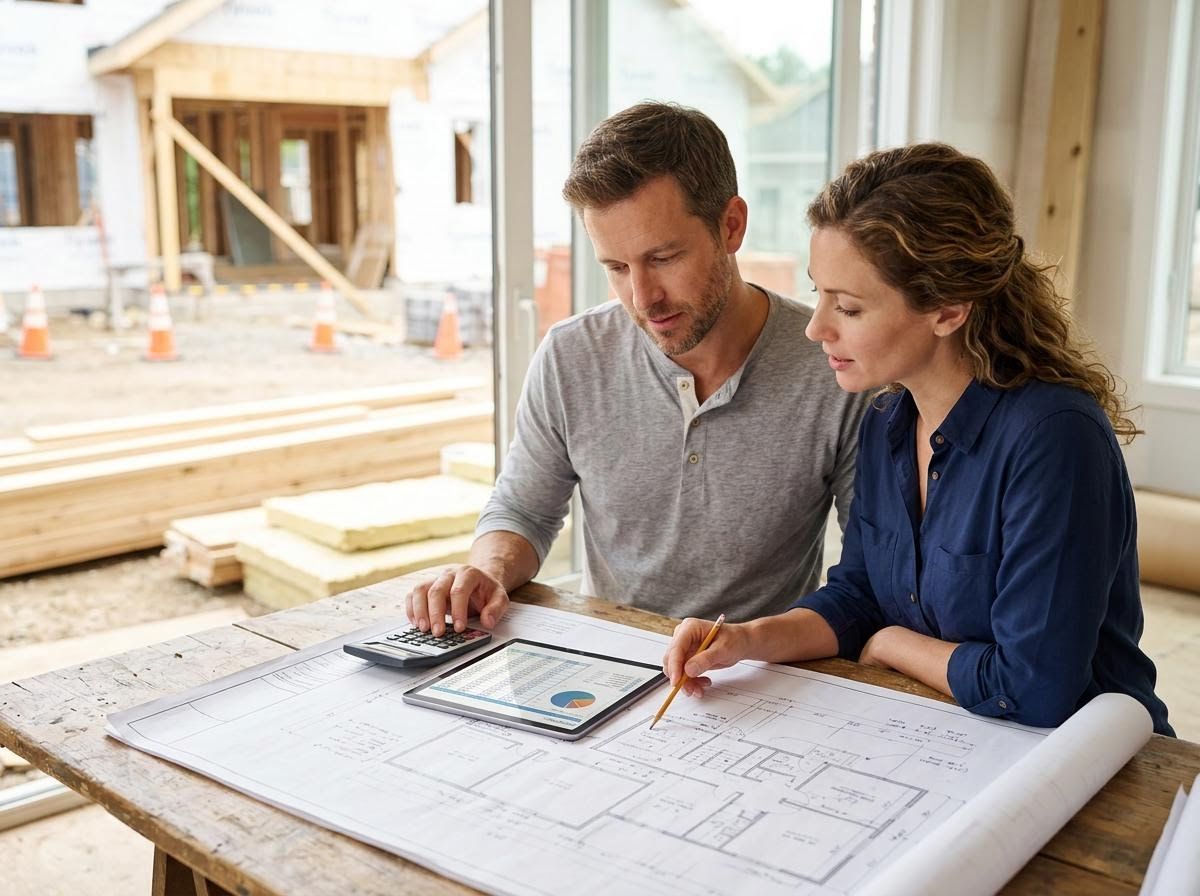
Embarking on a construction project, whether it's a new build or a renovation, is a significant undertaking that requires careful financial planning. Without a well-thought-out budget, even the most exciting visions can quickly face financial hurdles, leading to stress and delays. At Valle Construction Company LLC, we understand that a solid financial foundation is just as important as a strong physical one. This guide will walk you through the essential steps to effectively budget for your construction project, ensuring a smoother journey from concept to completion.

Understanding Your Project's Full Scope
The first critical step in budgeting is to clearly define the full scope of your construction project. This involves outlining every detail, from the size and layout of the structure to the quality of materials and finishes you desire. A comprehensive understanding prevents surprises down the line. Beyond the obvious building costs, remember to factor in preliminary expenses such as architectural design fees, engineering consultations, surveying costs, and the often-overlooked but essential permits and regulatory approvals. These initial investments are crucial for setting a realistic overall budget.
Itemizing All Potential Expenses
Once the scope is clear, it's time to break down all anticipated costs into detailed categories. This granular approach helps in identifying where your money will be spent and allows for better cost control. Key categories typically include:
Materials: Estimate costs for everything from foundation components to roofing, flooring, fixtures, and finishes.
Labor: Account for all contractors, subcontractors, and specialized trades needed for the project.
Equipment Rental: Include costs for heavy machinery, tools, and any specialized equipment.
Site Preparation: Don't forget expenses for clearing, grading, excavation, and utility connections.
Contingency Fund: This is perhaps the most vital component. Always allocate an additional 10-20% of your total budget for unforeseen issues, material price fluctuations, or design changes. This buffer is your financial safety net.
Monitoring and Adjusting Your Budget
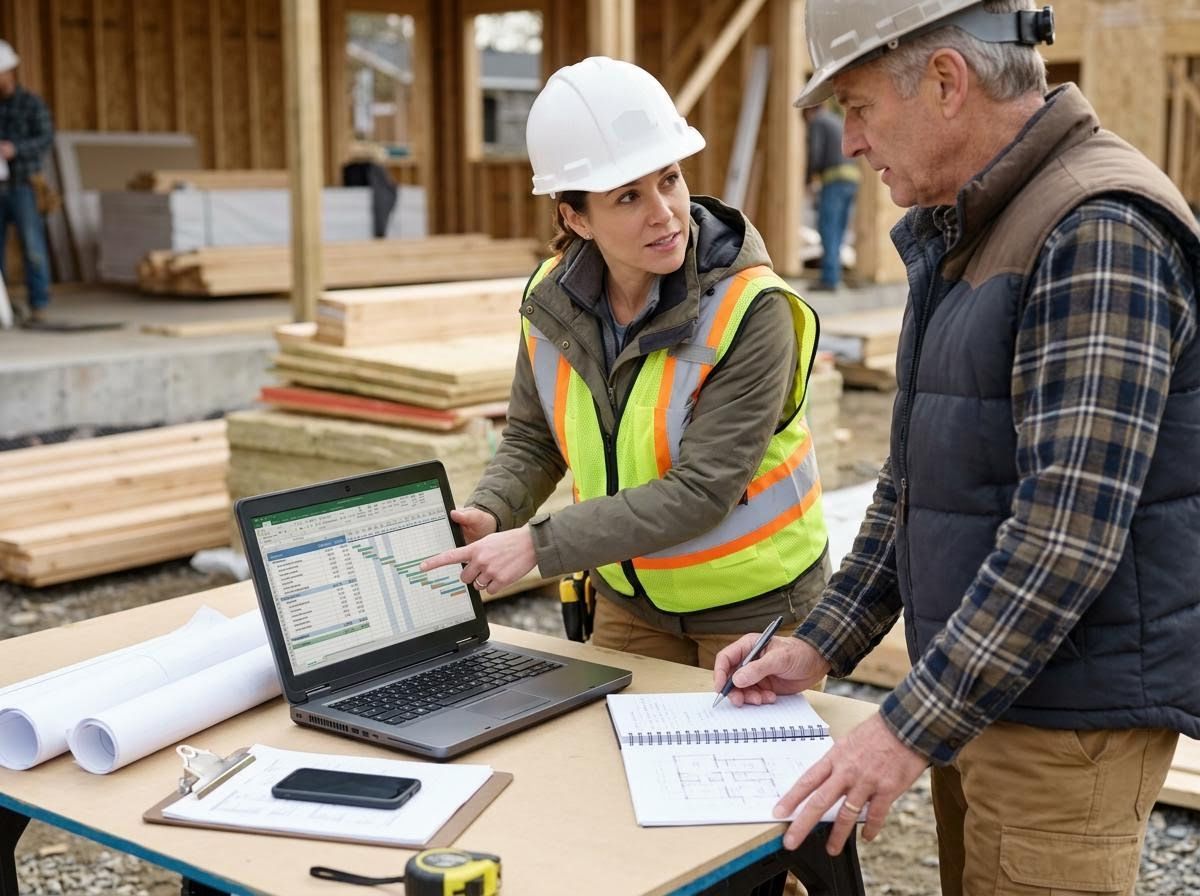
A construction budget is not a static document; it's a dynamic plan that requires continuous monitoring and occasional adjustments. Throughout the project, regularly compare actual expenditures against your planned budget. Utilize spreadsheets or project management software to track every invoice and payment. Early detection of budget overruns allows you to make timely decisions, whether it means finding alternative materials, re-evaluating certain design elements, or adjusting timelines. Open communication with your project manager and financial team about any discrepancies or potential changes is paramount to keeping the project financially on track.
Effective budgeting is the bedrock of a successful construction project, transforming your architectural dreams into tangible realities without unexpected financial strain. By meticulously planning, comprehensively itemizing costs, and diligently monitoring your finances, you can navigate the complexities of construction with confidence. Valle Construction Company LLC is dedicated to ensuring that our clients are well-informed and prepared for every phase of their build. To deepen your understanding of smart financial planning in construction, consider exploring our comprehensive resources on project cost management.